ODDA Logo

The ODDA Research Hub

Bringing people, ideas and evidence together to shape the future of online dating and social discovery

Read our Terms of Research

5 icons, 5 stats, 1 row with 5 columns.

The ODDA Research Hub brings together evidence and expertise to support better online dating and social discovery. We connect platforms, academics, and experts in our sector across five priority areas.

1 row with 5 columns. 5 icons above our 5 priority areas: Fraud, Policy & Regulation, Trust & Safety, VAWG: Violence Against Women & Girls, Innovation.

Platforms

You’re in the business of bringing people together.

The Hub is here for the questions that come with that: the problem you can’t get past, the opportunity you want to test before you build it, or the evidence a regulator, a board or your users keep asking for.

Whether you want to better understand your users, explore perceptions of trust and safety, investigate an emerging issue or gather evidence to inform a product, policy or business decision, the Hub can help you turn those questions into research.

Both ODDA member and non-member platforms can access the Hub’s research, convening and brokering support, with options for confidential research agreements.

Three reasons to bring your questions to the Hub.

Independent by design. Hub research remains methodologically independent, regardless of who funds it or whether the findings are published.

Cross-sector by nature. The Hub takes a transdisciplinary approach to looking at research questions. This means we don’t rely on a single research approach or discipline.

Clear from the start. We agree the scope, data arrangements, confidentiality and intellectual property before work begins.

Any platform can propose research, take part in Hub projects or commission a project.

Download our Terms of Research

Academics & Researchers

Your research can help shape the future of online dating and social discovery.

Whether you have a research question you’d like to develop, are looking for industry partners, or want to bring the Hub into a funding proposal, we offer a route to connect your expertise with the people and organisations working in the sector.

The Hub connects academics and researchers with platforms, policymakers and public-interest stakeholders to explore shared challenges, develop collaborative projects and bring evidence into practice.

Why bring your research to the Hub

Connect research with real-world challenges. The Hub brings researchers together with platforms, regulators, law enforcement, consumer advocates and other specialists. This creates opportunities to explore questions relevant to the sector and develop evidence that can inform policy, practice and outcomes for end users.

Explore collaborative research and funding opportunities. Bring an idea, propose a university-led project, invite the Hub to collaborate on a grant application or explore match-funded research combining platform and research-council or UKRI funding. Depending on the project, the Hub may contribute sector expertise, access, convening or agreed research activity.

Protect academic independence. Research remains methodologically independent. Where a university leads a project, its own procedures govern research integrity, academic oversight and ethics approval. The Hub works within the institution’s existing framework.

The Hub welcomes expressions of interest from academics, universities, research institutions and potential collaborators looking to develop independent, applied research that connects expertise with the needs of the online dating and social discovery sector.

Download our Terms of Research

Associations & Organisations

Associations, NGOs, NPOs, charities and all organisations seeking to collaborate on research within our sector, please contact us.

Download our Terms of Research

Function of the Hub

Bringing evidence and expertise together for better online dating and social discovery.

The primary function of the ODDA Research Hub is to advance understanding of online dating and social discovery by fostering rigorous, collaborative research that informs policy, practice, and sector standards.

The Hub acts as a convener, connector, and steward of knowledge to ensure research contributes to measurable impact for the online dating and social discovery sector.

The Hub operates in two modes:

  • Open-access: Research is intended for publication for the benefit of the wider sector.
  • Confidential: Research is undertaken under agreed contractual terms and is not intended for public dissemination.

The Hub’s Four Pillars

(1) Research
The Hub focuses on human-to-human dating and social discovery, with research spanning five priority areas: fraud, policy and regulation, safety, VAWG and innovation. These areas help guide the Hub’s research activities and identify opportunities for collaboration.

(2) Collaboration
Projects should create opportunities for interdisciplinary and/or transdisciplinary research, drawing on relevant expertise from platform(s), academia, industry, regulation, policy, and/or other appropriate fields.

(3) Insights
Research should generate insights that advance understanding of online dating and social discovery and provide a basis for developing evidence-led solutions.

(4) Solutions
Insights should translate into solutions that address identified needs and contribute to measurable impact for the sector and, most importantly, end users.

How to get Involved

All interested parties who would like to work with the Hub are kindly requested to submit an expression of interest.

Email [email protected] with a brief overview of the research purpose, scope, potential collaborators and intended outcomes (if known).

A member of our team will reply to your expression of interest within two working days. We look forward to hearing from you.  

The Hub’s Panel

Our Panel members are volunteers who are passionate about helping the Hub establish itself as a trusted and credible source of research for the dating and social discovery sector, ensuring that its work delivers meaningful benefits to the sector.

  • Panel members represent four domains: 1) ODDA member platforms; 2) academia; 3) regulation, government and law enforcement; 4) consumer interest, advocacy, and other stakeholders.
  • The Panel are not there to do the research themselves, handle requests or get involved in the day-to-day running of the Hub or individual projects.
  • Panel members offer insights from their respective sectors to identify research opportunities, connect the Hub with relevant organisations, and help shape research priorities to ensure they remain current and relevant to the sector.

Meet Our Panel Members

ODA Employee Simon Newman - Co-Chair
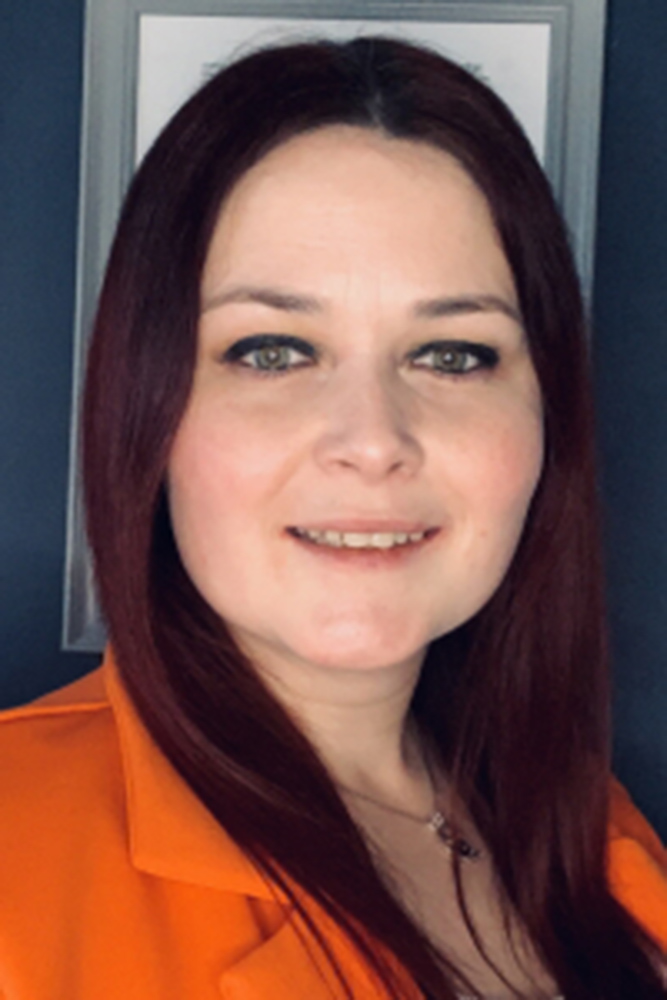
ODA Employee Lauren Sharp - Co-Chair
ODA Employee Noor Salama - Member Platform
ODA Employee James Wheeler - Member Platform
ODA Employee Dr Jaime Garcia-Iglesias - Academia
ODA Employee Dr Laura Higson-Bliss - Academia
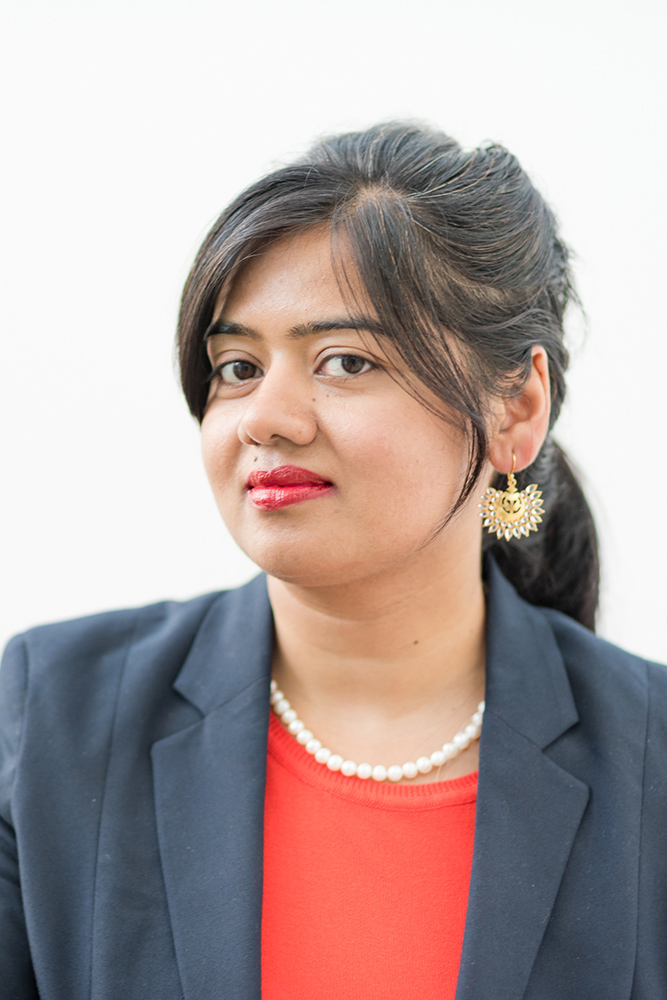
ODA Employee Dr Shweta Singh - Academia
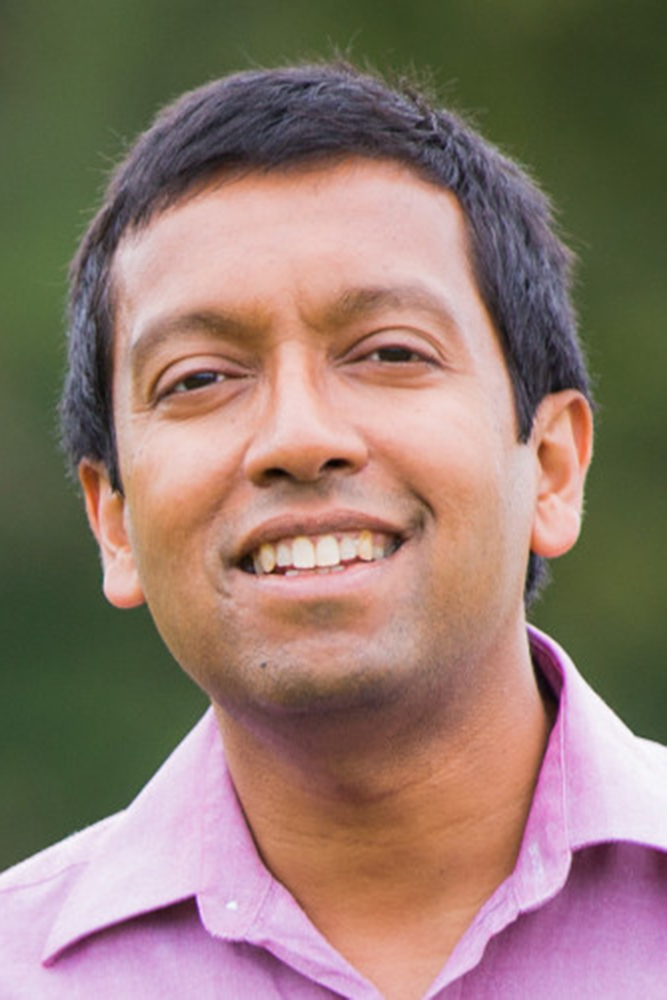
ODA Employee Prof Arosha Bandara - Regulation, Government & Law Enforcement
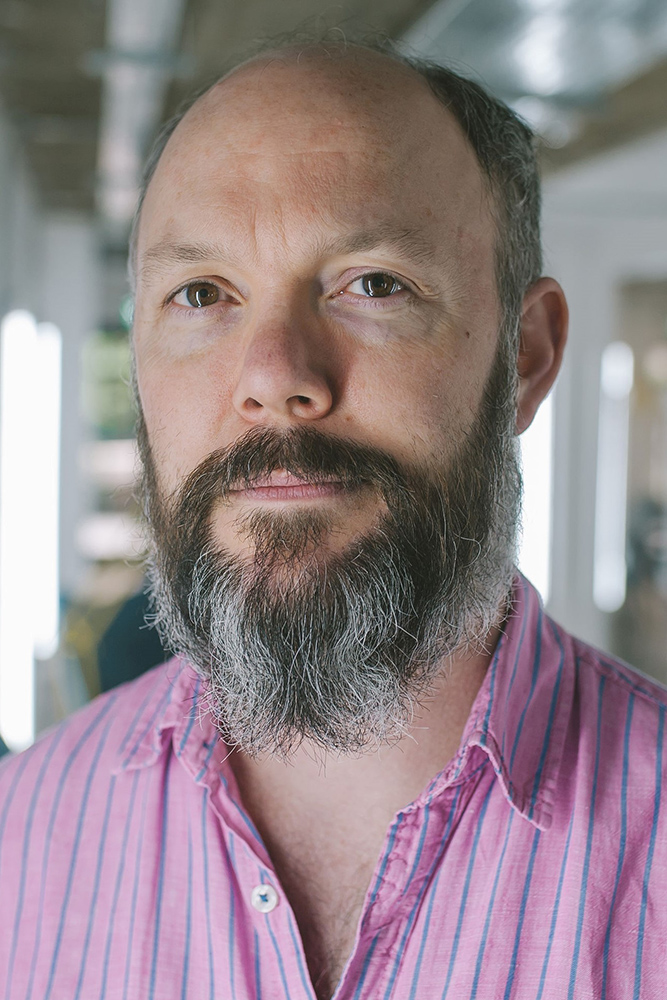
ODA Employee Gilbert Hill - Regulation, Government & Law Enforcement
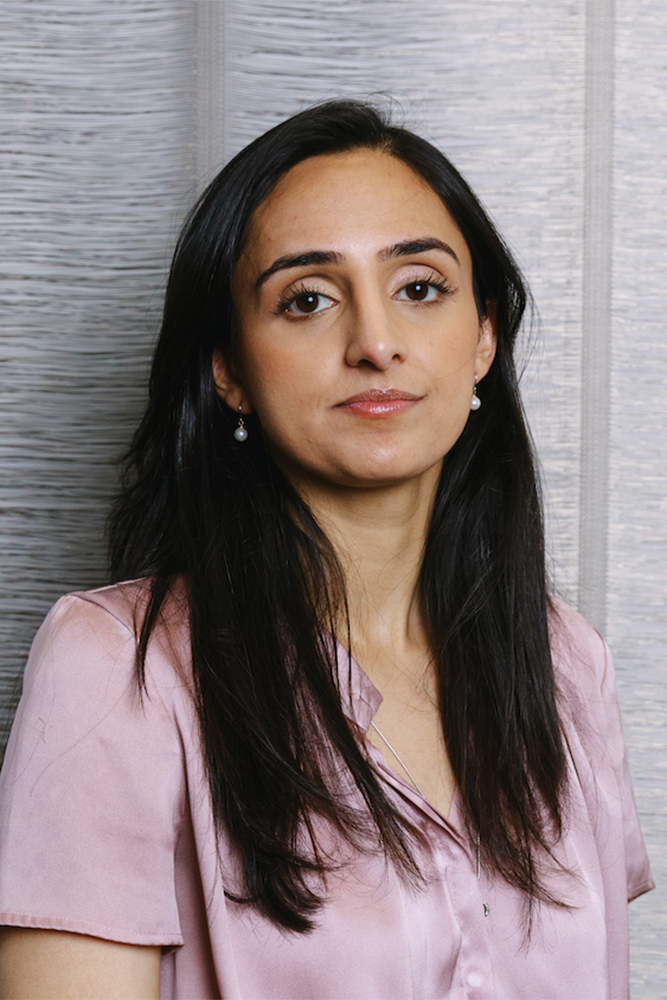
ODA Employee Sania Haq - Consumer Interest & Advocacy
ODA Employee Charlotte Hooper - Consumer Interest & Advocacy

Simon Newman is CEO of the ODDA and Co-Chair of the Panel.

Simon has spent the last 6 years working for membership-based organisations and most recently, was responsible for setting up and leading the Cyber Resilience Centre for London. He was previously Head of Business and Government Engagement for Police Crime Prevention Initiatives and has held a number of senior management roles across the public sector in both the UK and abroad. He has appeared on TV and in mainstream media talking about online safety – an area which he is incredibly passionate about. Simon is also a co-founder of Cyber London, and Associate for Dods Training and was recently appointed an Honorary Visiting Fellow at City, University of London.

Lauren Sharp is Hub Lead and Co-Chair of the Panel.

As the Researcher in Residence at ODDA, Lauren has established and leads the Research Hub. She is also an Industry and Innovation Fellow at The Open University’s Centre for Protecting Women Online (CPWO). Lauren’s research focuses on online dating platforms, particularly how interface design shapes safety, trust, and privacy, including profile verification systems and the risk perceptions they create. Her work brings a design-led perspective to questions of online safety, platform governance and gendered harm.

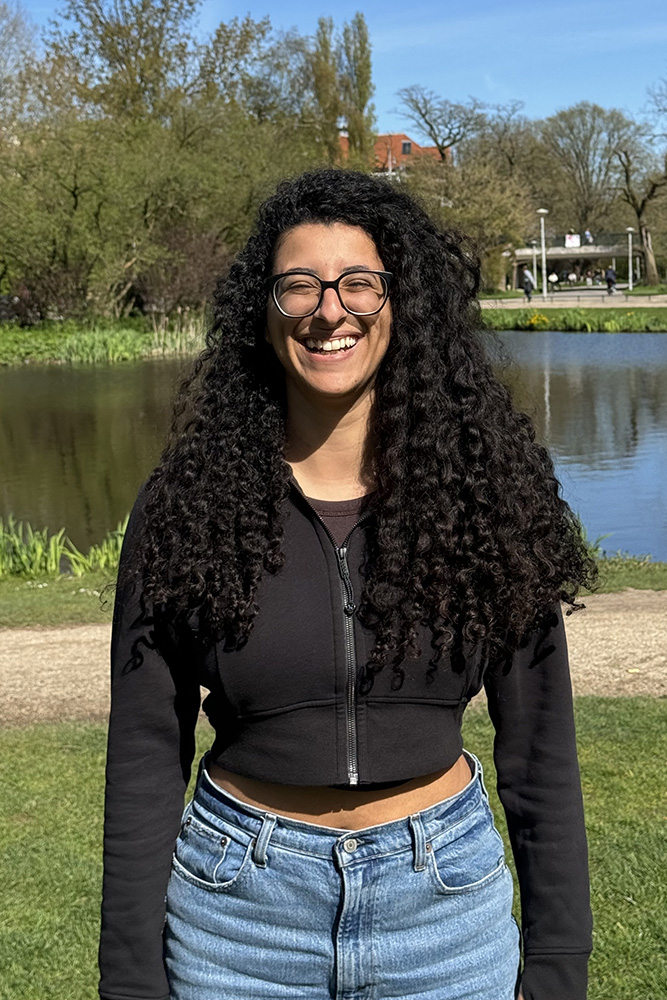
Noor Salama serves on the Panel as a representative of the member platforms domain.

Noor is the Director of Member Safety & Experience at Feeld, with 10+ years of experience across Feeld, Meta, and Microsoft. She specialises in building safer digital spaces for vulnerable communities, scaling inclusive operations, and translating risk, regulatory, and user insights into effective policy, product, enforcement, and organisational strategies. Noor has led complex T&S programs across Sub-Saharan Africa, as well as run multilingual safety and AI governance initiatives across complex global markets, with particular expertise in language-equitable AI, platform integrity, crisis response, and responsible innovation.

Why did you join the ODDA Research Hub, and what would you like to contribute?

What is the biggest challenge facing the online dating and discovery sector that you would like to see addressed?

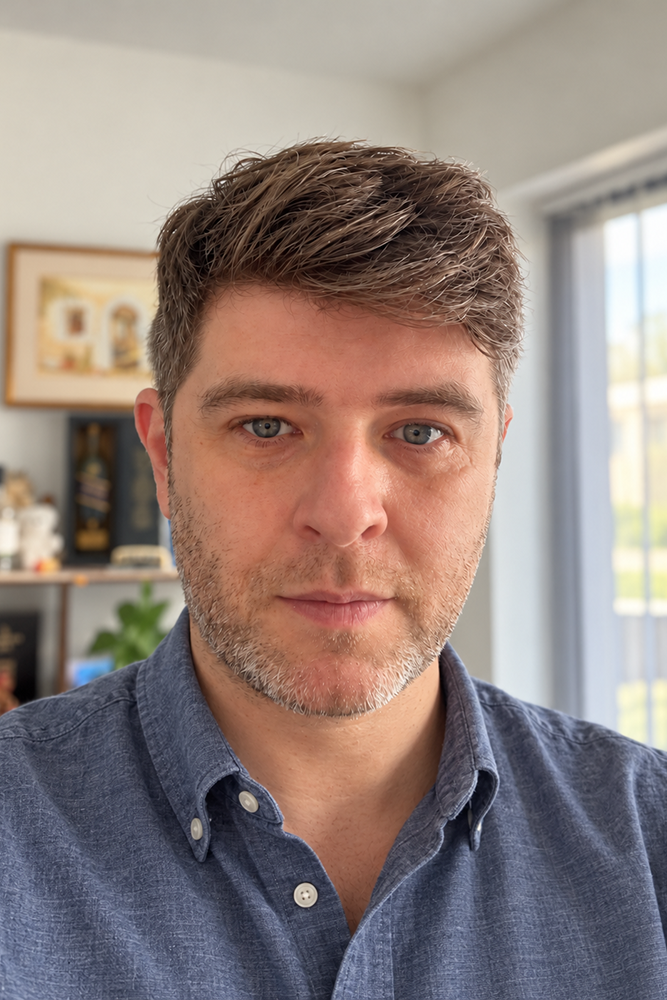
James Wheeler serves on the Panel as a representative of the member platforms domain.

James Wheeler is the Founder of Outly, a real-world social discovery platform designed to help people meet, connect and build relationships through events and shared experiences. His work focuses on the intersection of technology, online safety, social connection and marketplace design, with a particular interest in how platforms can encourage meaningful real-world interaction while building safety into the product from the outset. James is particularly interested in practical approaches to platform safety, responsible data use, behavioural risk signals, and how industry, regulators and researchers can work together to create safer online and offline social experiences.

Why did you join the ODDA Research Hub, and what would you like to contribute?
I’ve always enjoyed exploring complex problems, looking at them from different perspectives and questioning whether the obvious solution is necessarily the best one. I also enjoy challenging ideas and assumptions which has often led me to better answers. The Research Hub seemed like a brilliant opportunity to do more of that alongside some genuinely interesting people, while hopefully bringing a different perspective to some of the challenges facing an industry, I am a part of.

What is the biggest challenge facing the online dating and discovery sector that you would like to see addressed?
I think one of the biggest challenges facing the industry is how we respond to the growing number of complex issues affecting it. Many of these challenges extend beyond individual companies and national borders, I’d like to see greater collaboration across the industry, particularly around research, sharing knowledge and finding practical solutions to problems.

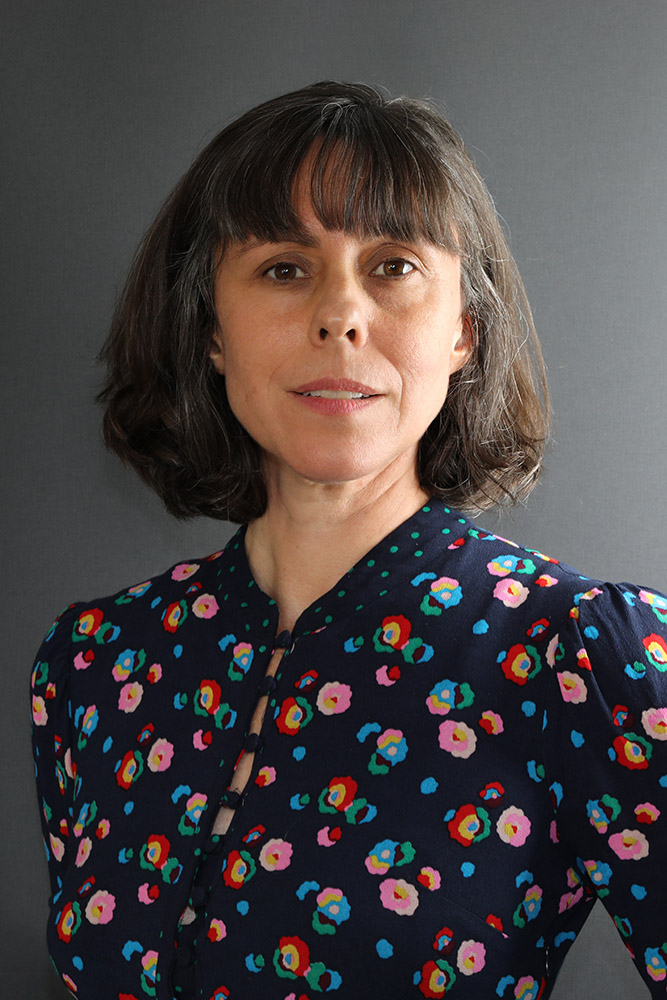
Dr Jaime García-Iglesias serves on the Panel as a representative of the academic domain.

Jaime is a Chancellor’s Fellow at the University of Edinburgh and a social scientist working across sociology, public health, sexual health and digital technologies. His research examines how digital technologies, including dating apps, shape intimacy, health, risk, trust and wellbeing. He has led and contributed to numerous externally funded research projects and has published widely on digital intimacy, sexual health and public health. Jaime is particularly interested in building productive relationships between researchers, communities and industry to address emerging questions around online dating, safety and wellbeing.

Dr Laura Higson-Bliss serves on the Panel as a representative of the academic domain.

Laura is a Lecturer in Law at Keele University, teaching and researching in the areas of law and new technologies, artificial intelligence, criminal law, public law, and policing. To date, Laura’s research has primarily focused on the use of criminal law to regulate inappropriate and/or harmful behaviour online, with a particular interest in social media and dating apps. She has contributed to several public calls for evidence, and her work has been cited in Law Commission reports and parliamentary reading materials. Laura is currently developing a research project exploring the use of artificial intelligence in romance fraud.

Dr Shweta Singh serves on the Panel as a representative of the academic domain.

Shweta is a Visiting Assistant Professor of Information Technology and Policy at Carnegie Mellon University’s Heinz College. An applied economist trained at the University of Minnesota, her research examines how digital platforms, artificial intelligence and regulation shape online behaviour, and whether measures designed to protect users are effective in practice. Together with colleagues at Carnegie Mellon, she is leading the first causal evaluation of the UK’s legal, platform and app-store measures addressing AI-generated image-based abuse. She is the author of Young People and AI: Opportunities and Risks, launched in the UK Parliament in July 2026 by the UK Minister for AI. She has contributed evidence to the Parliamentary Office of Science and Technology, chairs the Online Harms Group of the National Council of Women of Great Britain, and has twice served as a UN Women UK delegate to the UN Commission on the Status of Women. In 2025, she was recognised as one of InspiringFifty UK’s fifty most influential women in technology. Her commentary appears in the BBC, the Financial Times and The Guardian.

Why did you join the ODDA Research Hub, and what would you like to contribute?

Dating and social discovery platforms are where the hardest questions about AI, identity and safety meet real people every day, and I joined because I believe online safety must be grounded in rigorous evidence rather than headlines. What I hope to contribute is the economist’s habit of asking whether a safety measure actually works — whether it reduces harm, displaces it, or simply moves it to the next app — together with my work on responsible AI and technology governance, so that the sector’s approaches are practical, evidence-based and fair.

What is the biggest challenge facing the online dating and discovery sector that you would like to see addressed?

Keeping safety ahead of the technology. AI is creating new routes to deception, impersonation and technology-facilitated abuse faster than the sector can prove its protections work. I would like to see a move from reactive responses to safety by design, backed by shared, independent evidence of what works — so that platforms compete on measurable safety outcomes, regulators write rules the data supports, and those most vulnerable to harm are protected first.

Prof Arosha Bandara serves on the Panel as a representative of the Regulation, Government & Law Enforcement domain.

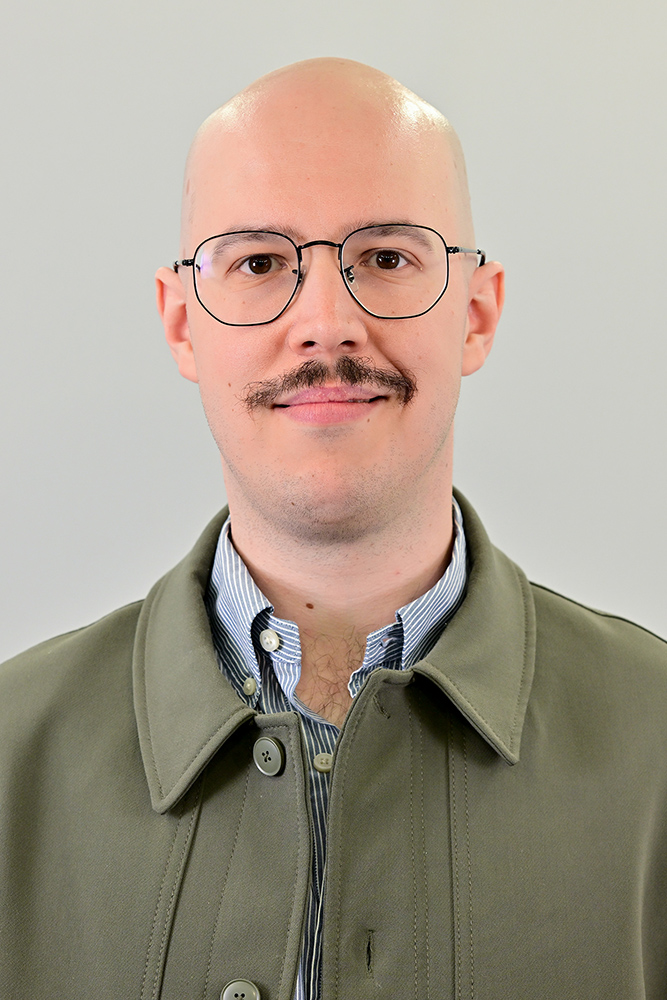
Gilbert Hill serves on the Panel as a representative of the Regulation, Government & Law Enforcement domain.

Gilbert is a privacy technologist, consultant and educator specialised on ethical use of data in dating and AI. As CEO of a London digital agency he became fascinated by the relationship between data, privacy and regulation, founding the world’s leading cookie compliance solution (now part of OneTrust). He now advises online dating platforms and their suppliers on data privacy and AI governance and is Industry Commissioner for the Data & Marketing regulator which adjudicates on behalf of OFCOM. He is excited to bring his experience of case studies and best practice to the challenges of responsible data use in dating and online connection.

Sania Haq serves on the Panel as a representative of the Consumer Interest & Advocacy domain.

Sania is an award-winning research and inclusion specialist with over 15 years’ experience across the private, public and third sectors. Sania is Founder of Bye 2 Stereotypes and specialises in inclusive research and data, with a particular focus on ensuring diverse and underrepresented communities are represented in research and decision-making. Sania is a Technical Author for the British Standards Institution, developing guidance on inclusive data and inclusive standards, and sits on the Market Research Society’s Representation in Research Steering Group. She also advises a range of organisations on inclusion, including Crystal Palace Football Club.

Charlotte Hooper serves on the Panel as a representative of the Consumer Interest & Advocacy domain.

The Hub’s objective is to develop and support rigorous and collaborative research that generates evidence-informed insights and contributes to responsible practice, policy, and measurable impact across our sector.
Download our Terms of Research